Roofer: Trusted Roof Repair Experts for Residential Homes
The Complete Guide to Maintaining Your Roof: Recommendations From Expert Roofers
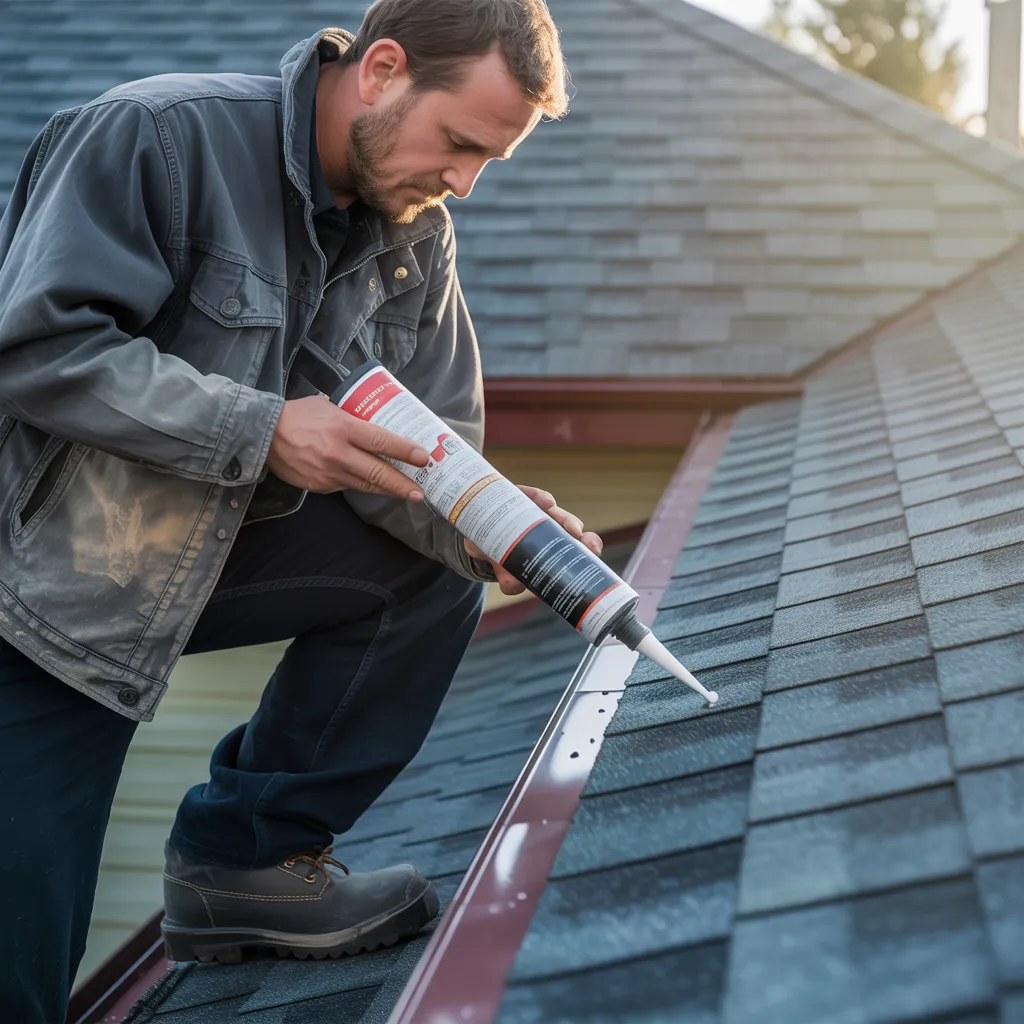
Maintaining a roof is important for any homeowner. Neglecting this aspect can lead to substantial repairs and lower home price. Expert roofers stress the importance of preventative maintenance and timely damage detection. Routine checks can discover issues like absent shingles or water marks. Comprehending how to resolve these problems can spare homeowners from later complications. Yet, many remain ignorant of the measures needed for sound maintenance. What important tasks should be prioritized?
Essential Periodic Roof Maintenance Activities
Essential roof upkeep is critical for maximizing the lifespan of a home's roof. Periodic tasks play a key role in guaranteeing its integrity and effectiveness. In spring, homeowners should check for winter damage, remove accumulated buildup, and check gutters for clogs. This stops water accumulation that can create leaks. During summer, it is recommended to assess flashing and sealant, as the heat can cause materials to expand and shrink, potentially creating issues.
In the fall, property owners should remove twigs and debris to avoid water buildup, which can promote mold growth. Additionally, inspecting shingles for damage is crucial, as autumn storms can worsen current weaknesses. Cold season upkeep involves checking for ice dams and ensuring proper insulation to prevent heat loss. By following these seasonal tasks, homeowners can properly care for their roofs, enhancing durability and reducing costly repairs.
Methods to Detect Roof Damage Prior to They Worsen
Early detection of roof damage is necessary for maintaining a home's integrity. By identifying common signs of damage and doing regular inspections, homeowners can avoid more extensive repairs. A seasonal maintenance checklist can further help in detecting potential issues before they escalate.
Typical Warnings of Injury
Detecting roofing damage early can prevent homeowners from significant repair costs and avoid further complications. Common damage indicators include missing or cracked shingles, which can expose the underlying materials to moisture. Homeowners should also observe for dark streaks or mold, signaling potential water leaks. Ponding water, mostly in low spots, can contribute to deterioration over time. Additionally, interior signs such as water stains on ceilings or walls often suggest roof leaks. Inspecting the flashing near chimneys and vents is necessary, as damaged flashing can permit water penetration. Finally, sagging areas on the roof’s surface may indicate structural issues. Quickly recognizing these signs enables timely repairs, protecting the home’s integrity and value.
Evaluate Your Roof Routinely
Though many residents may neglect their roofs, conducting routine inspections is essential for maintaining their health. Regular check-ups help individuals identify possible issues before they escalate into costly repairs. During an inspection, individuals should look for missing or damaged shingles, signs of water stains inside the home, and any debris accumulation in gutters. Also, inspecting for drooping sections or rusted flashing can reveal hidden issues. It’s also important to examine the state of ventilation systems, ensuring they function properly to prevent moisture buildup. Scheduling inspections at least twice a year, preferably in spring and fall, helps catch damage early, ultimately extending the roof's lifespan and preserving the home’s overall value.
Periodic Maintenance Rundown
As periods change, homeowners must be alert in evaluating their roofs for potential damage. A seasonal maintenance checklist is important for finding issues before they worsen. During spring, clear debris and inspect for missing shingles. Summer inspections should target signs of wear from UV exposure. In the fall, it is necessary to remove leaves and examine gutters for blockages. Winter brings a need for vigilance regarding ice dam formation and leaks caused by melting snow. Homeowners should watch out for water stains on ceilings and walls, which point to possible leaks. Regularly inspecting flashing, vents, and chimneys can help in preventing costly repairs. By adhering to this checklist, homeowners can lengthen their roof’s lifespan and preserve their investment.
DIY Roof Assessment: How to Look for Damage
Completing a DIY roof inspection can help homeowners identify potential defects before they escalate. This activity includes leveraging effective inspection tools, identifying common troubles, and adhering to essential safety standards. By staying vigilant, homeowners can shield their roofs and ensure long-term stability.
Visual Examination Techniques
A comprehensive examination of a roof can reveal potential damage before it escalates into costly repairs. Homeowners should begin by examining the roof's surface for damaged, broken, or bent shingles. Checking the flashing around chimneys, vents, and skylights is essential, as improper sealing can cause leaks. Observing the gutters for granules from shingles can suggest wear. Additionally, examining the roof from the ground can provide a broader view of any drooping or uneven areas. Using binoculars can assist in identifying issues without needing to climb onto the roof. Prioritizing safety is paramount; if the roof's pitch is steep or conditions are unsafe, it is advisable to contact a professional for a more thorough evaluation.
Recognizing Typical Problems
Many property owners neglect the critical nature of identifying typical roofing problems, Roofing Fort Wayne which can result in significant problems over the years. Regular inspections can uncover issues such as absent or deteriorated shingles, which may expose underlying layers to moisture. Additionally, homeowners should search for loss of granules, often visible in gutters, suggesting potential shingle deterioration. Trim around chimneys and vents should be inspected for corrosion or separations, as these can cause leaks. Mold or moss growth on shingles can also point to
Safety Protocols Mandatory
While undertaking a do-it-yourself roof examination can be valuable, implementing safety measures is indispensable to avoid accidents. Professional roofers suggest employing a robust ladder, ensuring it is placed on a level ground, and maintaining three points of contact while climbing. Donning proper shoes with superior traction can also lower the potential of slipping. Moreover, individuals should inspect the weather conditions; bypassing strong winds or precipitation strengthens safety. It is wise to have a partner present for assistance and to communicate plans clearly. Finally, applying protective harnesses when laboring on steep roofs can provide added protection. By following these safety measures, residents can effectively inspect their roofs while minimizing the risk of injury.
Identifying and Fixing Common Roofing Problems
Homeowners routinely overlook the subtle signs of roofing issues until they escalate into significant problems. Common indicators encompass missing shingles, water stains on ceilings, and granules accumulating in gutters. These signs can reveal leaks or deterioration that call for immediate attention.
To handle these issues, property owners should perform periodic checks, notably following extreme storms. If missing roof tiles are found, substituting them without delay can prevent more deterioration. Water stains may signal water intrusion, calling for roof repairs or even renewal of substructure.
In addition, assessing for damaged flashing around chimneys and vents is essential, as compromised flashing can cause leaks. Preserving gutters clear of debris will also help ensure proper drainage, decreasing the risk of water pooling on the roof. By spotting these issues early and taking corrective measures, homeowners can extend the life of their roofs and defend their homes from costly repairs.
What Signals Tell You Need to Hire a Roofing Expert?
When should a homeowner consider hiring a roofing specialist? Homeowners should seek expert help when facing significant roofing issues that surpass their ability. This encompasses extensive leaks, visible sagging, or missing shingles, which can compromise structural integrity. Additionally, if a homeowner observes signs of mold or moisture damage within the home, it is essential to contact a roofing specialist promptly.
Storm damage can also require professional assistance; a qualified roofer can evaluate concealed harm that may not be readily visible. Additionally, if a homeowner is planning to install a new roof or undertake significant improvements, engaging a professional guarantees compliance with local codes and standards. Finally, if regular maintenance becomes burdensome, hiring a roofer for routine inspections can help avoid future issues. Identifying these situations can protect homeowners from further complications down the line.
Allocating Funds for Roof Maintenance and Repairs
Roof upkeep and restoration frequently involve unexpected costs, making it vital for property owners to establish a feasible budget. A thorough budget should consider both regular upkeep and potential emergency repairs. Property owners are advised to examine the age and condition of their roofs, as aging roofs may demand more frequent attention.
Creating a dedicated fund for these costs can alleviate money worries when issues arise. Professionals suggest allocating 1-3% of the home's value annually for roof upkeep, which encompasses inspections, minor repairs, and materials. Additionally, getting multiple quotes from reputable roofers can provide a clearer understanding of potential costs.
Consistent maintenance can help extend the life of a roof and circumvent larger, more dear restoration down the line. By planning methodically, homeowners can manage their roofing expenses more efficiently and protect their investment in their property.
Extended Benefits from Regular Roof Maintenance
Although many may consider roof maintenance as a minor task, its long-term benefits greatly exceed the upfront cost. Routine upkeep increases the durability of a roof, minimizing the need for expensive fixes or early renewal. By handling small issues immediately, homeowners can stop significant harm caused by leaks or foundational issues, ultimately saving significant sums over time.
In addition, a well-maintained roof improves energy efficiency, as it avoids heat loss and reduces cooling costs. It also adds to improved property value; prospective buyers often prefer homes with documented maintenance history. Additionally, regular inspections can find potential problems before they escalate, ensuring safety and peace of mind for inhabitants.
Finally, maintaining a roof can stop mold and mildew growth, encouraging better indoor air quality. As a result, the advantages of regular roof care not only protect the structure but also improve the overall living environment.
Common Requested Inquiries
What Frequency of Gutter Cleaning Is Needed for Roof Health?
Gutters require cleaning at least two times annually to support roof health. However, additional cleaning sessions may prove essential following major weather events or throughout autumn, when leaves can accumulate and hinder adequate water flow.
What Roofing Materials Necessitate Varied Maintenance Procedures?
Various roof types necessitate varied upkeep techniques. Asphalt shingles need regular inspections and debris removal, while metal roofs gain advantages from regular seal applications. Tile roofs require thorough cleaning to stop algal growth, and wood shingles require treatment against rot and pests.
Does Roof Maintenance Eliminate Moisture Issues When Heavy Rain Occur?
Roof care can substantially prevent leaks during severe storms. Periodic inspections, swift fixes, and complete waterproofing of materials assure that potential vulnerabilities are managed, bolstering the roof's power to weather severe weather conditions competently.
In What Ways Does Weather Affect Roof Longevity and Care Needs?
Weather greatly affects roof durability and maintenance needs. Extreme temperatures, heavy rainfall, and strong gusts can increase deterioration, requiring more frequent inspections and repairs to guarantee optimal functionality and protect against significant harm.
What Are Symptoms of Substandard Roof Installation to Be Aware Of?
Signs of poor roof installation include misaligned shingles, visible gaps or seams, sagging areas, water leaks, and significant granule loss. These indicators can lead to premature wear and increased maintenance requirements, compromising overall roof integrity.
To summarize, we have analyzed the important details covered in this assessment.
In closing, protecting a roof is necessary for homeowners attempting to extend the lifespan of their investment and deliver a secure living environment. By observing seasonal servicing tasks, performing regular evaluations, and handling issues immediately, homeowners can competently prevent pricey repairs. Figuring out when to manage repairs themselves and when to engage professional help is vital. Ultimately, a active approach to roof care not only boosts the home's market worth but also supports better indoor air quality and overall quality of life.